






















Yellow vs Red vs White Cricket Ball – Which One Should You Choose?

Cricket is a game where every small detail can affect performance, and one of the most important pieces of equipment in the sport is the cricket ball. While many beginners think that all cricket balls are the same, the truth is that there are several types of cricket balls designed for different formats of the game and different playing conditions.
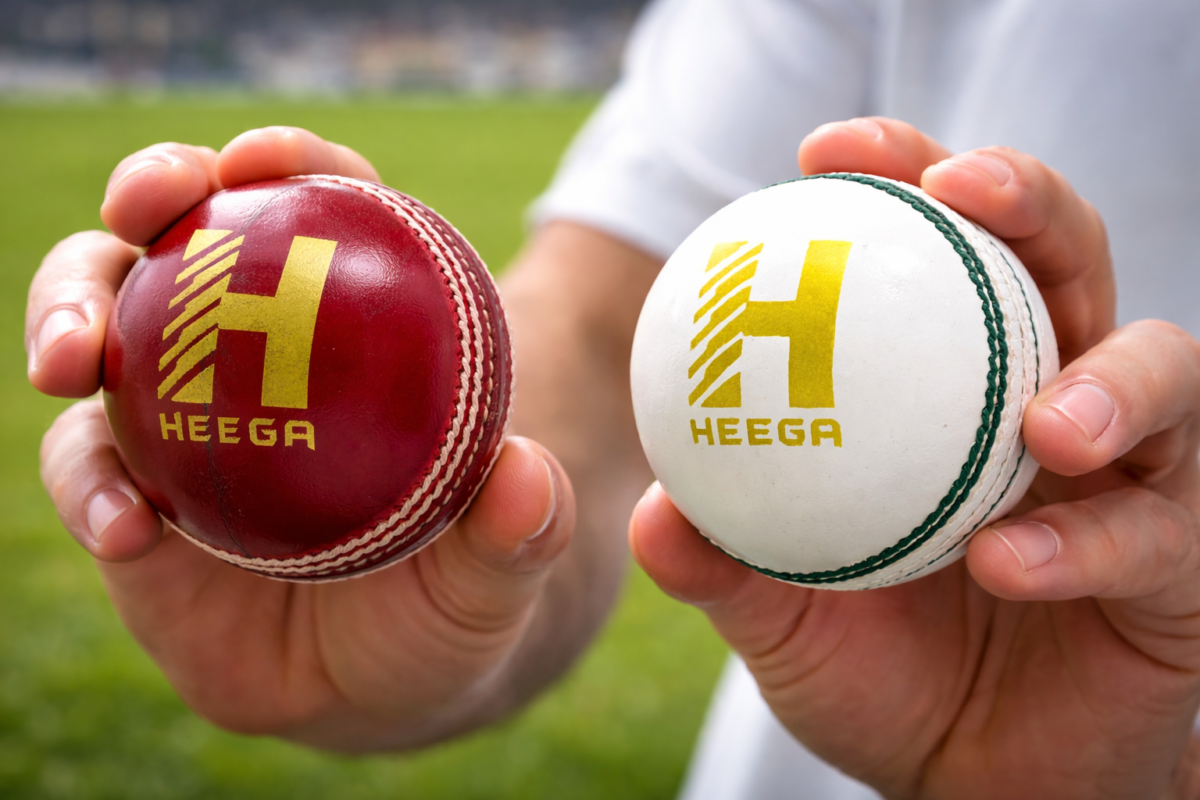
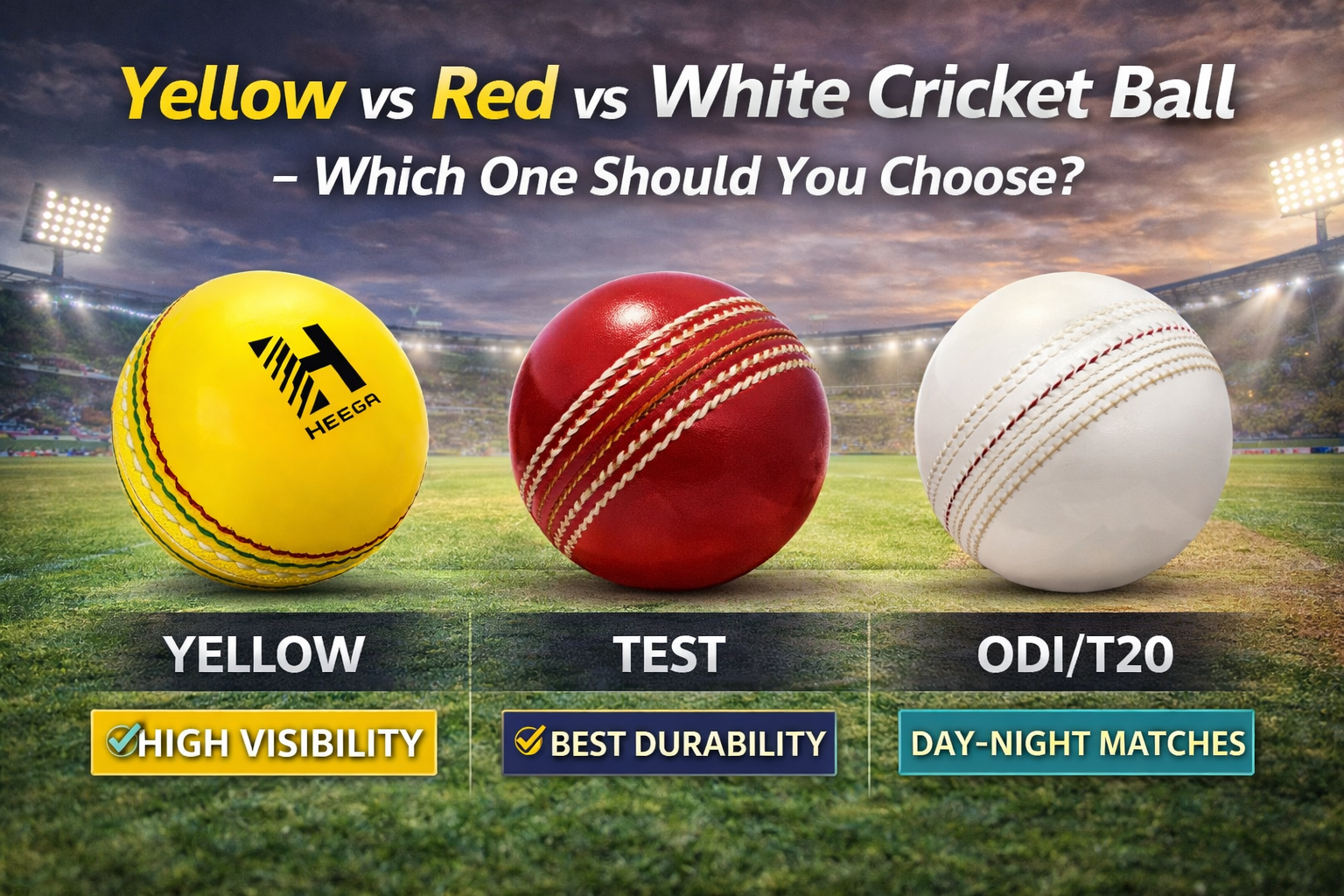
The three most common types of cricket balls used around the world are yellow cricket balls, red cricket balls, and white cricket balls. Each of these balls has its own purpose and performs differently depending on the environment, lighting conditions, and format of the game.
At SaleonSports, we supply high-quality cricket equipment used by academies, clubs, and professional players. Choosing the right cricket ball is essential for improving your game, whether you are practicing in a training net or playing in a competitive match.
In this detailed guide, we will explain the differences between yellow, red, and white cricket balls, how they are used, and which one you should choose depending on your cricket needs.
Understanding the Basics of Cricket Balls
Before comparing the three types of cricket balls, it is important to understand how a cricket ball is made.
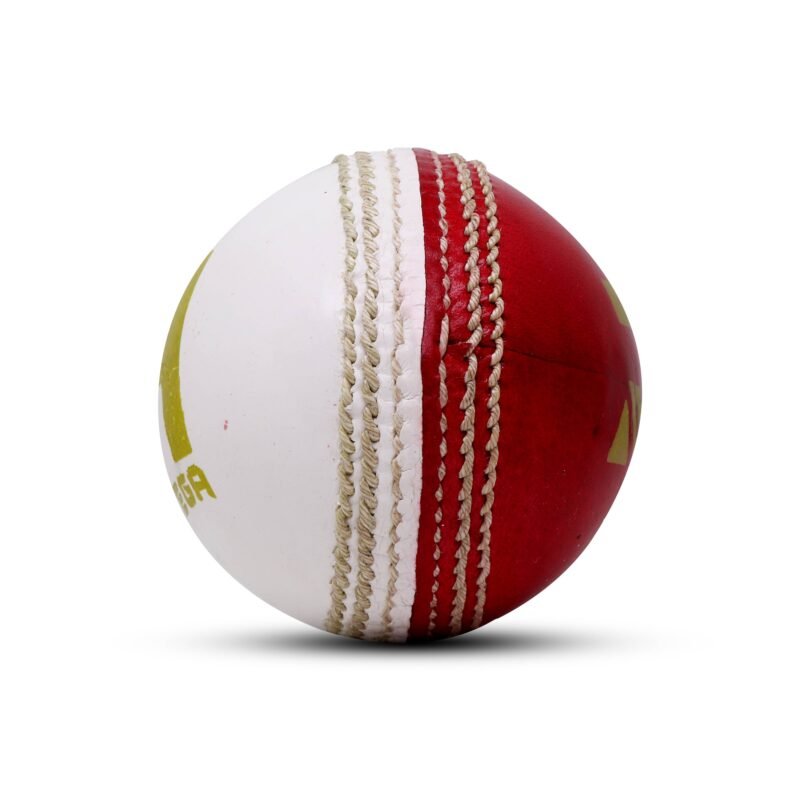
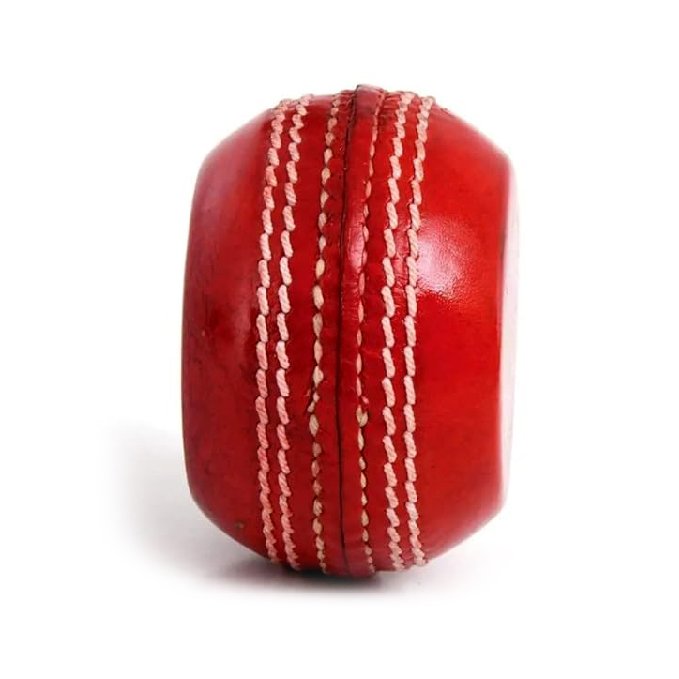
Most professional cricket balls are constructed using high-quality leather stitched around a cork core. The cork center gives the ball its hardness and bounce, while the leather cover provides durability and grip for bowlers.
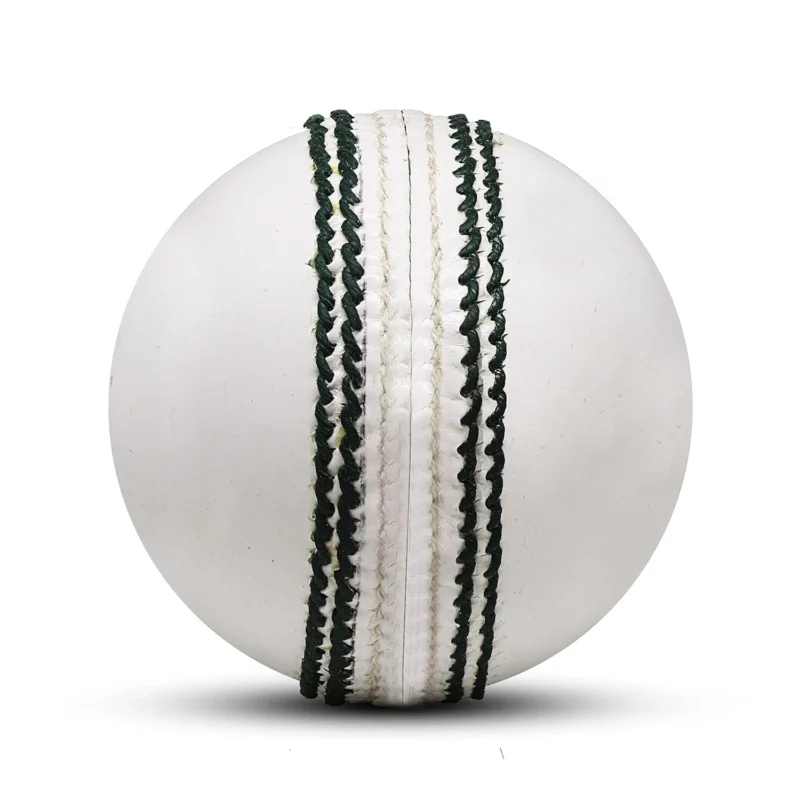
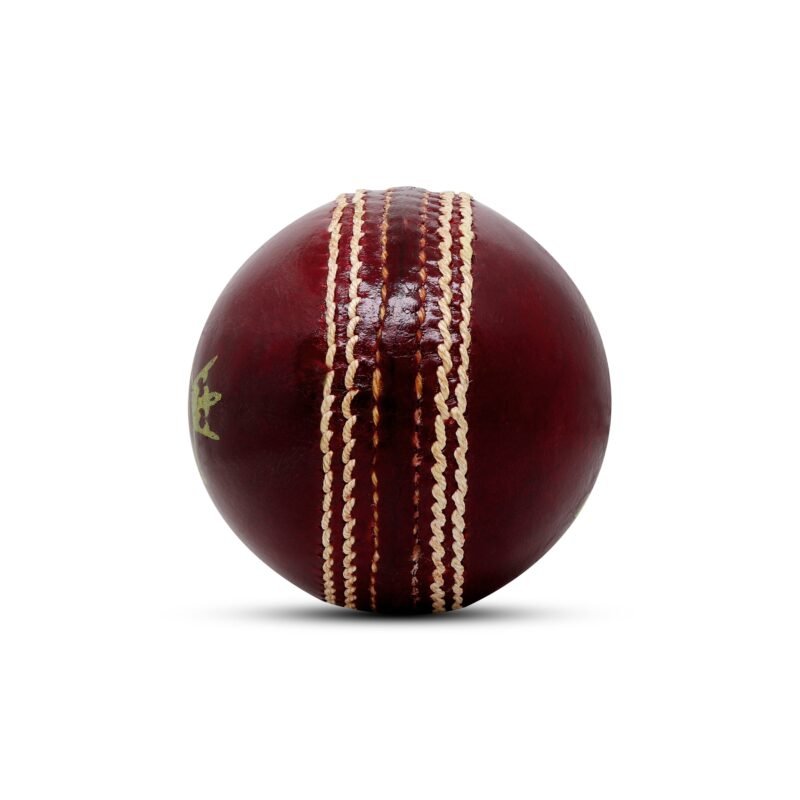
The seam of the ball is stitched tightly so that bowlers can use it to generate swing and seam movement. While the internal structure of most cricket balls remains similar, the color and finishing process determine how the ball behaves during play.
The color of the ball plays a major role in visibility, durability, and match suitability.
The Red Cricket Ball
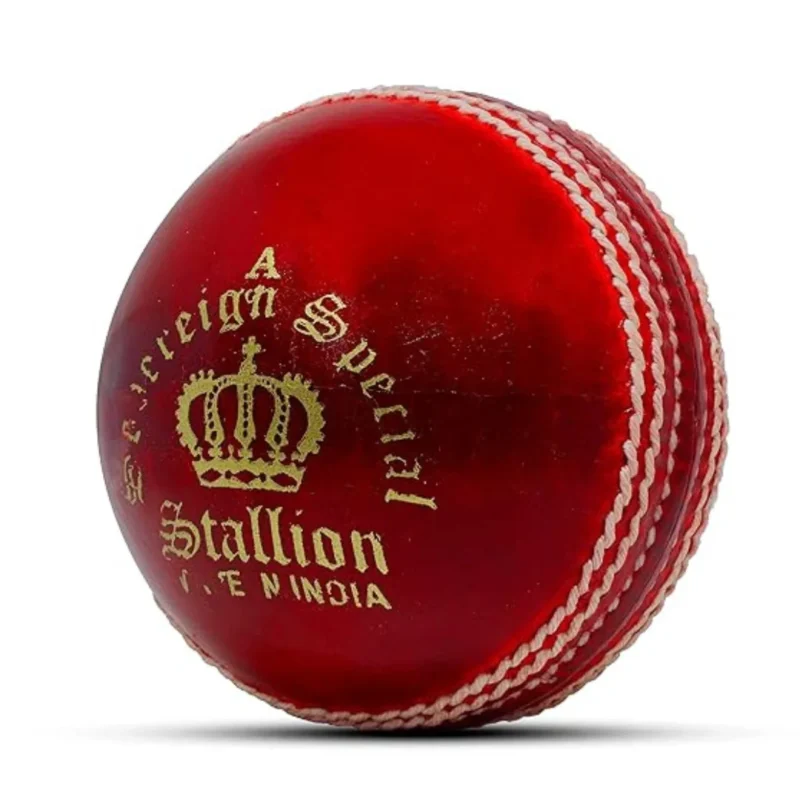
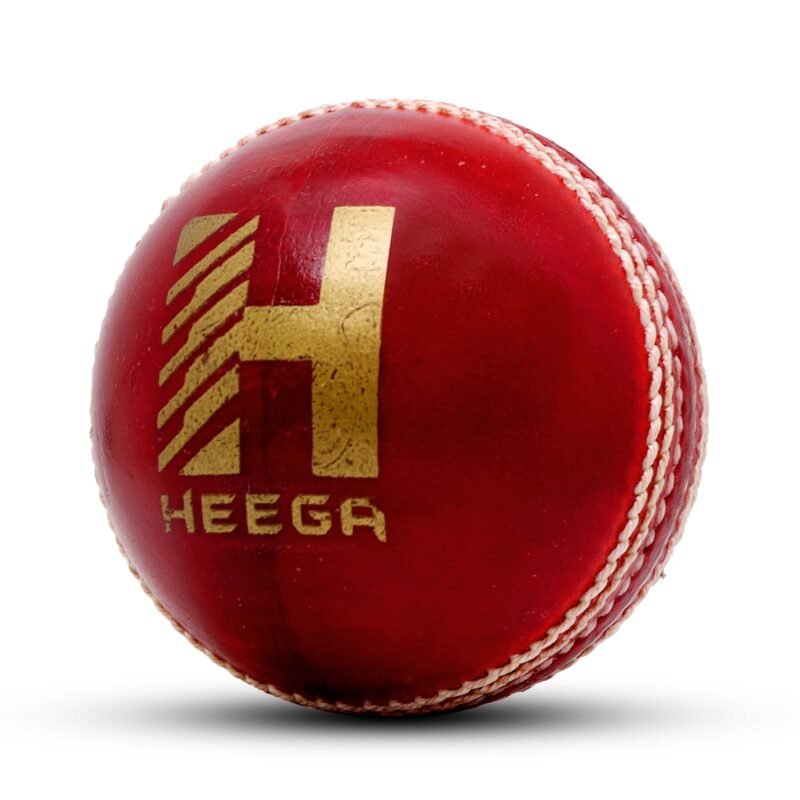
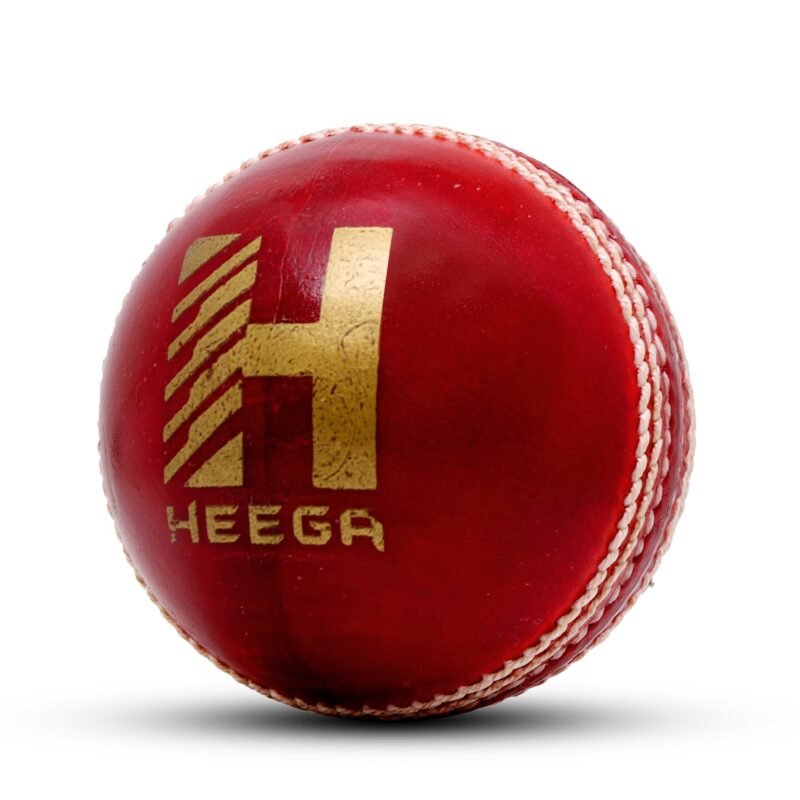
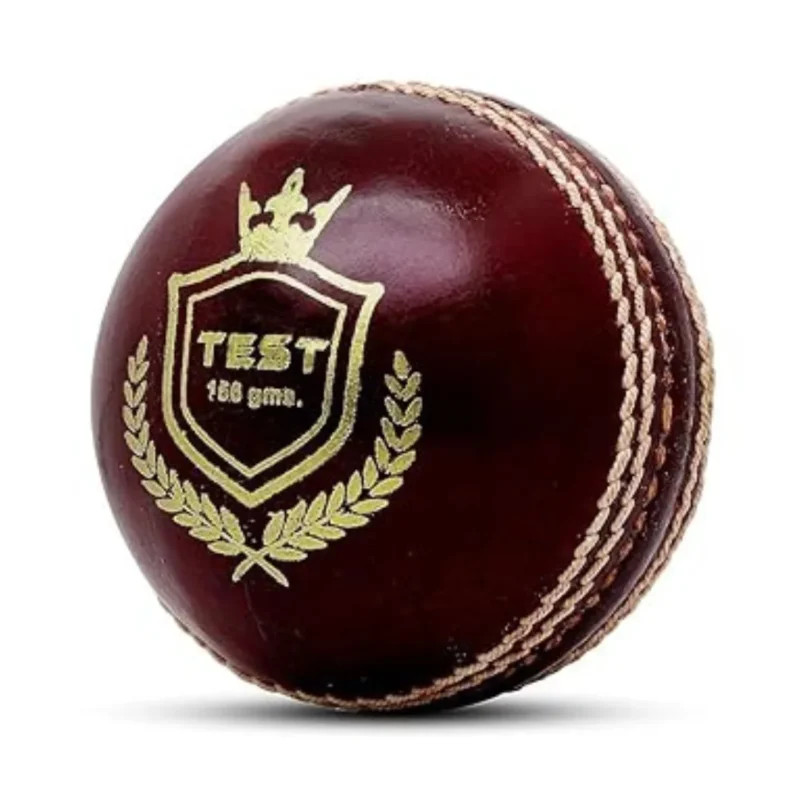
The red cricket ball is the traditional and oldest type of cricket ball used in the sport. For decades, red balls have been used in long-format matches and professional cricket tournaments.
Red cricket balls are most commonly used in Test matches and first-class cricket. These formats often last multiple days, and the ball needs to maintain its durability and seam for a long period.
One of the main advantages of the red cricket ball is its ability to maintain shine and hardness for a longer time compared to other types of cricket balls. This allows bowlers to generate swing and seam movement for many overs.
Fast bowlers particularly benefit from the red ball because it allows them to swing the ball both ways when it is new. As the ball ages, it can also produce reverse swing, which is a valuable skill in longer cricket formats.
Another reason the red cricket ball is widely used in traditional cricket is that it performs well in daylight conditions. The red color contrasts effectively against green grass and natural lighting, making it easier for players to track the ball during daytime matches.
However, red cricket balls also have some limitations. They are not ideal for night matches or floodlight games because the darker color becomes harder to see under artificial lighting. This is why red balls are rarely used in day-night cricket formats.
Despite these limitations, the red cricket ball remains an essential part of traditional cricket and is still the preferred ball for long-format matches around the world.
The White Cricket Ball
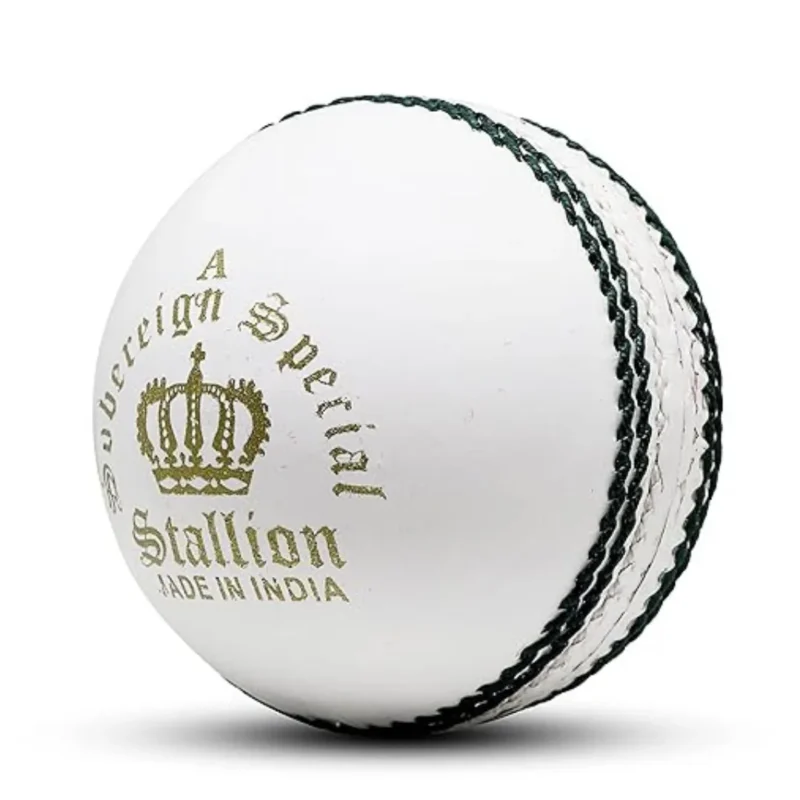
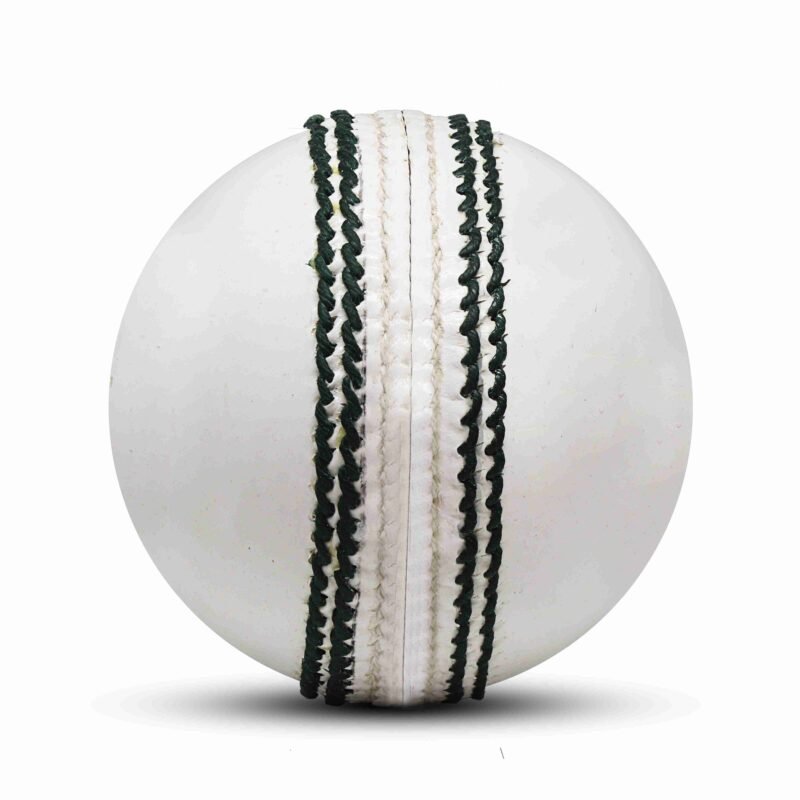
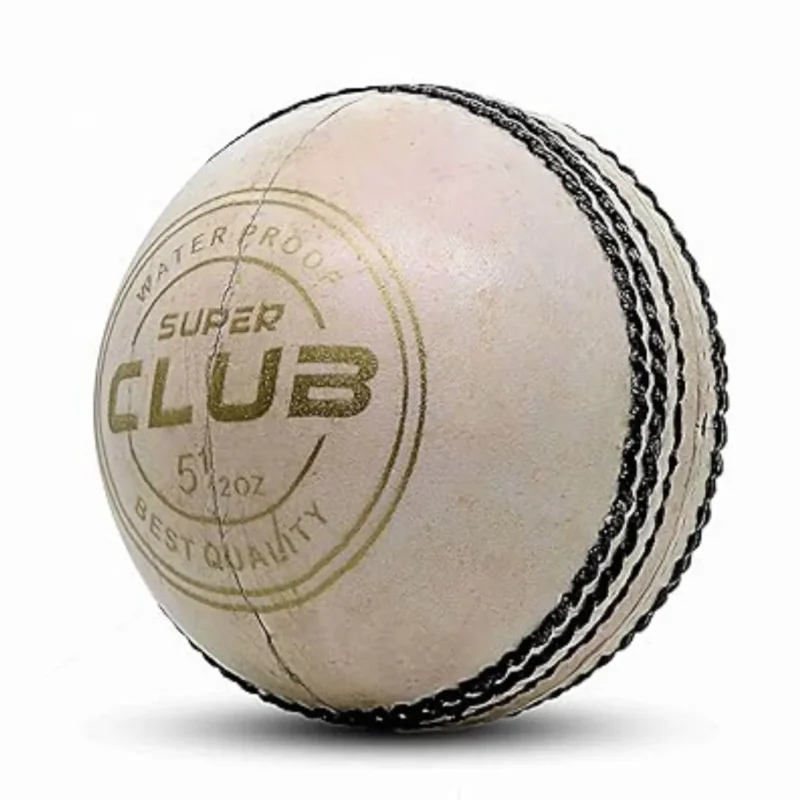
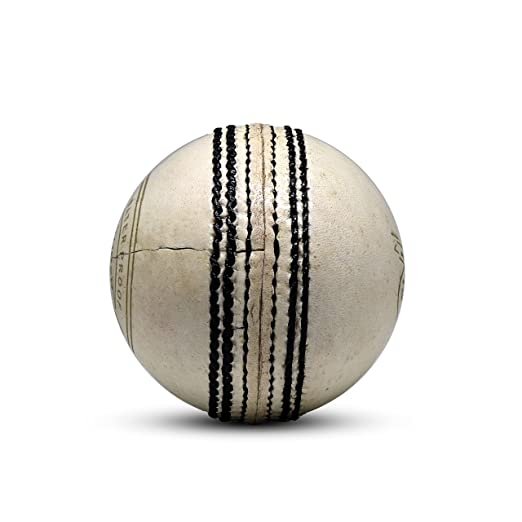
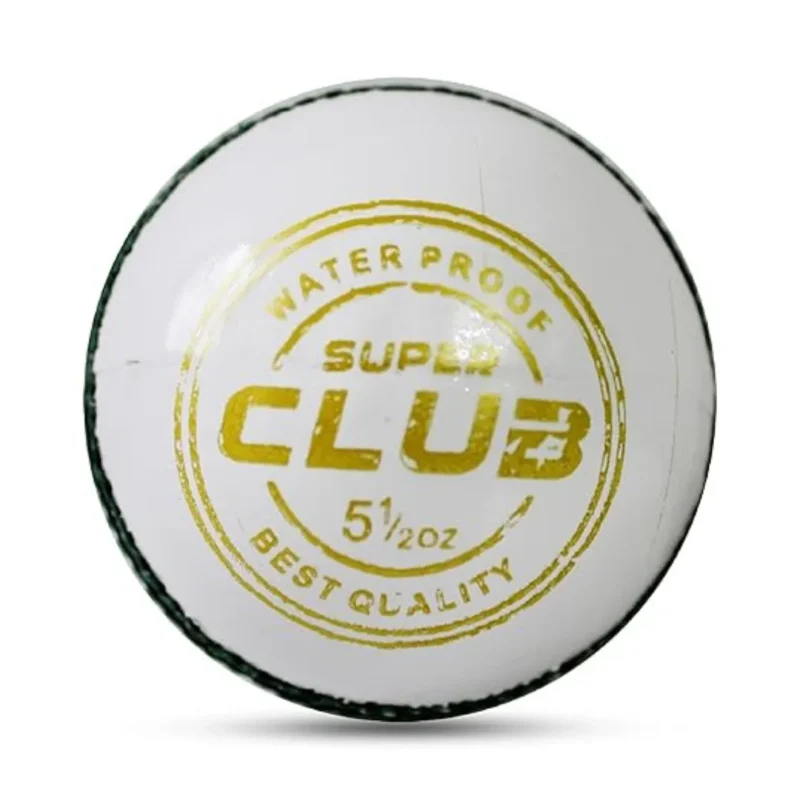
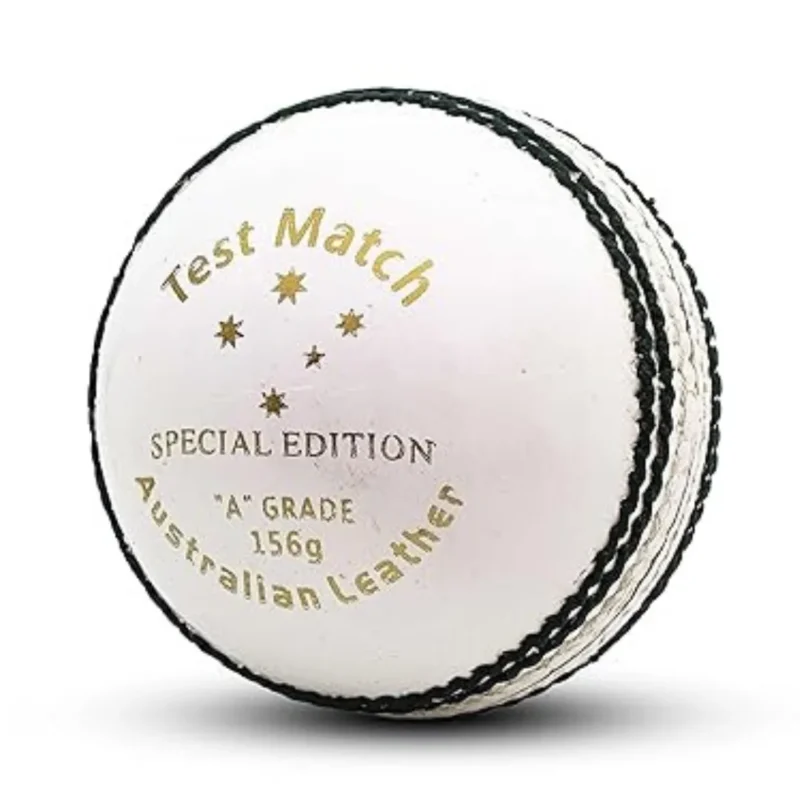
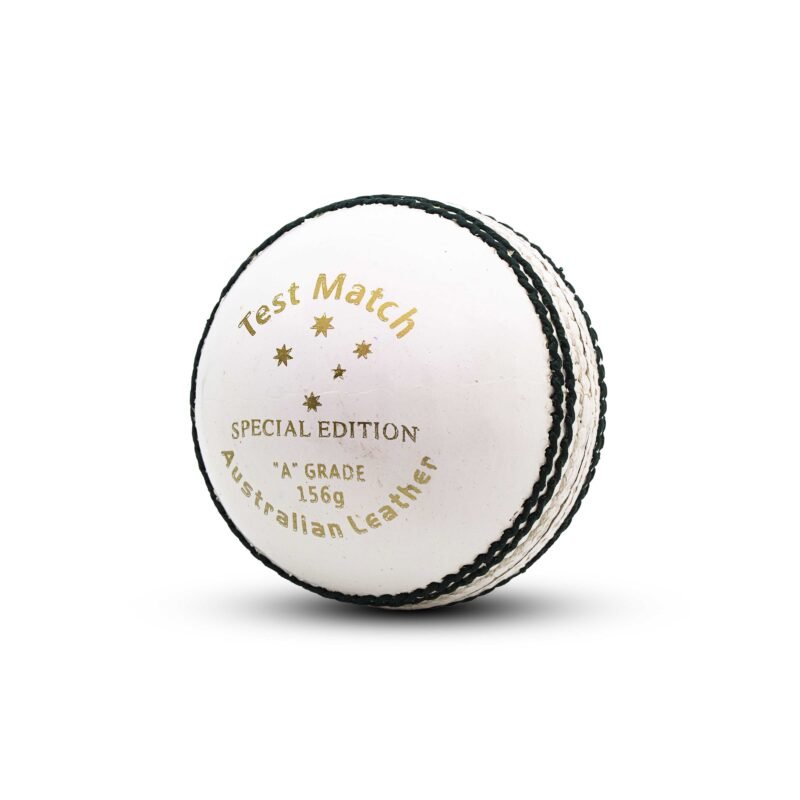
The white cricket ball was introduced to modern cricket mainly for limited-over formats, such as One Day Internationals and T20 matches.
These formats often include day-night matches played under stadium floodlights, and the red cricket ball becomes difficult to see under these conditions. The white cricket ball was developed to solve this problem by offering better visibility under artificial lighting.
The bright white color makes the ball easier to track against the darker sky during night matches. This allows batsmen, bowlers, and fielders to follow the ball more easily.
White cricket balls are now the standard choice for ODI matches, T20 leagues, and most professional short-format tournaments.
However, the white ball behaves differently compared to the red ball. While it provides excellent visibility, it tends to lose its shine more quickly. The surface of the ball can also become discolored during play, especially when it comes into contact with grass or the pitch.
Because of these factors, white balls are typically used in shorter matches rather than multi-day games. In limited-over cricket, the ball is replaced more frequently, ensuring consistent performance throughout the match.
Despite its shorter lifespan, the white cricket ball has become an essential part of modern cricket and is widely used in professional competitions across the world.
The Yellow Cricket Ball
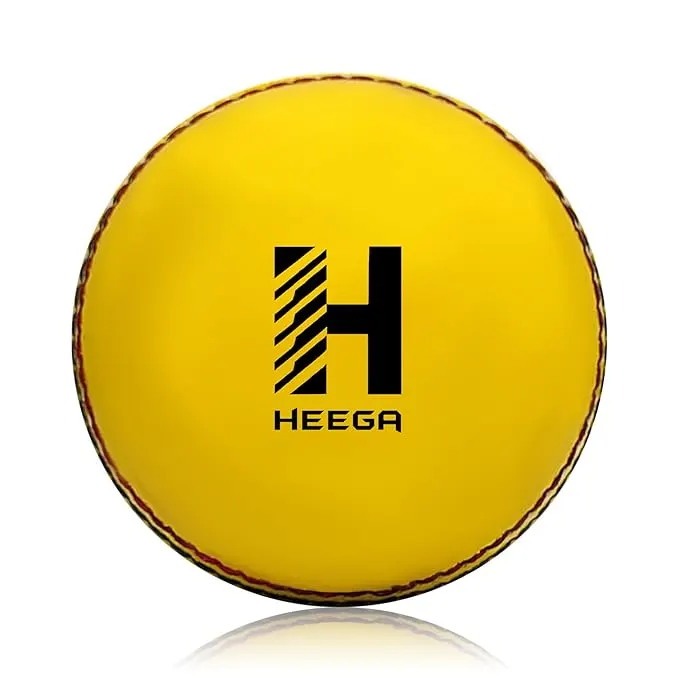
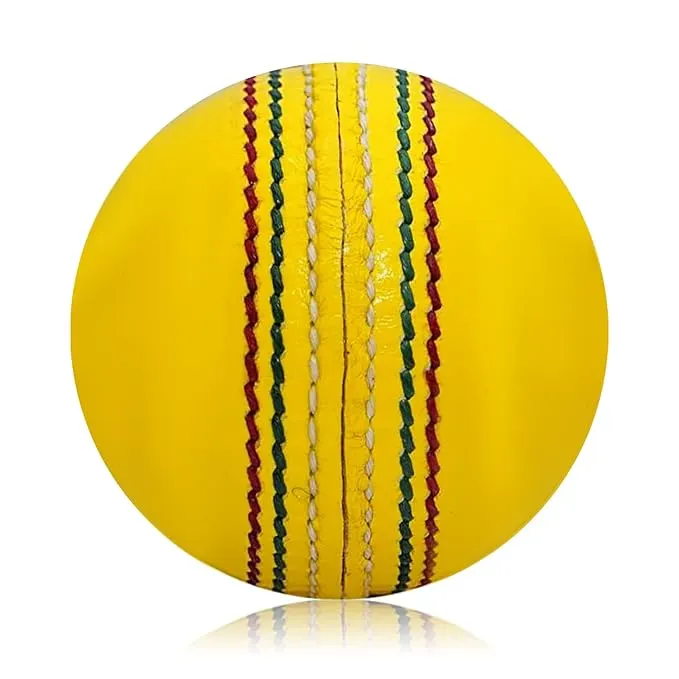
The yellow cricket ball is not commonly used in international matches, but it has become extremely popular for cricket training and practice sessions.
The main advantage of the yellow cricket ball is its high visibility. The bright yellow color allows players to see the ball clearly against different backgrounds, including indoor nets, artificial turf, and low-light environments.
Many cricket academies prefer yellow balls because they help players improve their reaction time and hand-eye coordination during training.
Indoor cricket facilities often use yellow cricket balls because they remain visible under artificial lighting. This makes practice sessions more effective, especially when players are working on batting drills or fielding exercises.
The yellow ball is also useful for evening practice sessions. Players training after sunset or under floodlights can easily track the ball due to its bright color.
For young players and beginners, the yellow cricket ball is particularly helpful because it makes it easier to focus on the ball and develop fundamental cricket skills.
Although the yellow cricket ball is mostly used for practice, it still maintains the same leather construction and cork core found in traditional cricket balls. This means players can practice with a ball that behaves similarly to match balls.
Key Differences Between Yellow, Red, and White Cricket Balls
While the three types of cricket balls share a similar internal structure, their performance varies depending on the format of the game and the playing conditions.
The red cricket ball is best suited for traditional cricket formats played during the day. It is durable and maintains its seam for longer periods, making it ideal for matches that last multiple days.
The white cricket ball is designed for limited-over formats and night matches. Its bright color improves visibility under stadium lights, but it does not last as long as the red ball.
The yellow cricket ball is primarily used for training and practice sessions. Its bright color makes it easy to see in different environments, which helps players improve their reaction time and skills during practice.
Each ball serves a unique purpose, and choosing the right one depends on how and where you plan to play cricket.
Which Cricket Ball Should You Choose?
Choosing the right cricket ball depends on your playing needs and the type of cricket you are involved in.
If you are playing traditional cricket matches or practicing for long-format games, the red cricket ball is the best option. It offers durability and allows bowlers to generate swing and seam movement for extended periods.
If you are playing shorter formats such as T20 or ODI matches, the white cricket ball is the better choice. It provides excellent visibility under floodlights and is specifically designed for limited-over cricket.
If you are training in cricket nets, practicing indoors, or conducting coaching drills, the yellow cricket ball is often the most practical option. Its bright color makes it easier for players to track the ball during practice sessions.
Many professional cricket academies actually use a combination of all three types of cricket balls to help players adapt to different match situations.
Why Choosing the Right Cricket Ball Matters
Using the correct cricket ball can significantly improve your cricket performance.
A high-quality cricket ball ensures consistent bounce, better seam movement, and a realistic playing experience. Players who train with proper cricket balls develop better technique and confidence on the field.
Using the wrong type of ball for certain conditions can make practice less effective and may even affect skill development.
That is why professional coaches always recommend selecting cricket equipment that matches the format of the game and the training environment.
Buy Premium Cricket Balls Online
If you are looking for high-quality cricket balls for training or matches, you can explore a wide range of options at SaleonSports.
We provide durable leather cricket balls suitable for:
- Cricket academies
- Professional matches
- Training sessions
- Indoor and outdoor cricket practice
Our cricket balls are designed to deliver consistent performance and durability so that players can focus on improving their game.
Final Thoughts
Cricket balls may look similar at first glance, but the differences between yellow, red, and white cricket balls play a crucial role in how the game is played.
The red cricket ball remains the traditional choice for long-format cricket. The white cricket ball is ideal for limited-over matches and night games. The yellow cricket ball is perfect for training sessions where visibility and skill development are the main priorities.
Understanding these differences helps players, coaches, and cricket enthusiasts choose the right ball for their needs.
Whether you are preparing for professional matches or improving your skills in the nets, selecting the correct cricket ball can make a significant difference in your cricket journey.
Shop Cricket Balls Online
Upgrade your cricket gear with high-quality cricket balls for training and matches.
 Shop Now:
https://saleonsports.com