
















































































Understanding the psychology of risk in gambling behavior

Understanding the psychology of risk in gambling behavior
The Nature of Risk in Gambling
Understanding the psychology of risk in gambling begins with recognizing the inherent uncertainty associated with betting activities. Risk is defined as the potential for loss, and for gamblers, this often manifests as a thrilling yet anxiety-inducing experience. Many players are drawn to the excitement of not knowing whether they will win or lose, which can create an addictive cycle. This excitement can overshadow the reality of odds, leading individuals to make riskier bets than they might otherwise consider in more stable environments. Moreover, exploring Betscore reveals how these dynamics play out in an online setting.

The thrill of gambling is largely influenced by psychological factors such as the illusion of control. Gamblers often believe they can influence outcomes through skill or strategy, even in games of pure chance. This illusion can significantly amplify their willingness to take risks, as they feel more empowered in their choices. Furthermore, cognitive biases, such as the gambler’s fallacy—the belief that past events affect future outcomes—can skew a player’s perception of risk and reward, prompting them to take risks that might not be justifiable from a statistical standpoint.
Ultimately, the nature of risk in gambling is complex and multifaceted. Players frequently balance the potential for substantial rewards against the substantial dangers of loss, which can lead to problematic gambling behavior. As they navigate this balance, they often grapple with the psychological repercussions of their choices, including feelings of euphoria when winning and distress when losing. Understanding these dynamics is crucial for recognizing why individuals might engage in risky gambling behavior despite the inherent dangers.
The Role of Cognitive Biases
Cognitive biases play a significant role in shaping gambling behaviors and perceptions of risk. One of the most common biases is the overestimation of winning probabilities, where individuals mistakenly believe they are more likely to win than statistical evidence supports. This bias can lead to a series of poor betting decisions, as players become increasingly confident in their perceived abilities to predict outcomes. For instance, a player may continue to bet on a losing streak, thinking that a win is “due” when, in reality, the odds remain unchanged.
Another relevant cognitive bias is the confirmation bias, wherein gamblers tend to seek information that supports their existing beliefs about their betting strategies. This can manifest in selectively recalling wins while ignoring losses, reinforcing the idea that their strategy is sound. As a result, players may take on greater risks in the hopes of replicating past successes, often resulting in increasingly reckless behavior. These cognitive biases not only skew perceptions of risk but also contribute to the development of gambling addictions.
Recognizing these cognitive distortions is essential for both gamblers and those who support them. By understanding how biases can influence decisions, individuals can better manage their gambling habits and make more informed choices. Cognitive-behavioral therapies often focus on addressing these biases to help individuals reframe their thoughts and approach gambling with a healthier mindset. This can lead to reduced risk-taking behavior and an overall more positive gambling experience.
Emotional Influences on Gambling Behavior
Emotions significantly impact gambling behavior and perceptions of risk. Positive emotions, such as excitement and happiness, can enhance the enjoyment of gambling but may also lead to impulsive decisions. Conversely, negative emotions like frustration and despair can drive players to chase losses, resulting in escalating bets that further complicate their financial situations. Emotional states create a complex backdrop where the gamble is not just a decision about money but intertwined with the individual’s feelings and psychological well-being.
Additionally, the role of social influences in shaping emotions cannot be understated. Social gambling, such as playing poker with friends or engaging in sports betting during events, can elevate emotional stakes and encourage riskier behavior. The social environment provides validation and reinforcement for gambling decisions, which can amplify the sense of thrill and urgency. This social aspect may lead individuals to gamble beyond their financial means, as they feel pressured to keep up with their peers or maintain their social standing.
Furthermore, awareness of emotional triggers is crucial for responsible gambling. Players who recognize that their emotions influence their decision-making can take steps to mitigate these effects. Establishing a predetermined budget, setting limits on time and money spent gambling, and seeking support can help individuals manage their emotions more effectively. By learning to regulate emotional responses, gamblers can engage in safer and more enjoyable gaming experiences while minimizing the risk of addiction.
The Impact of Environment on Gambling Behavior
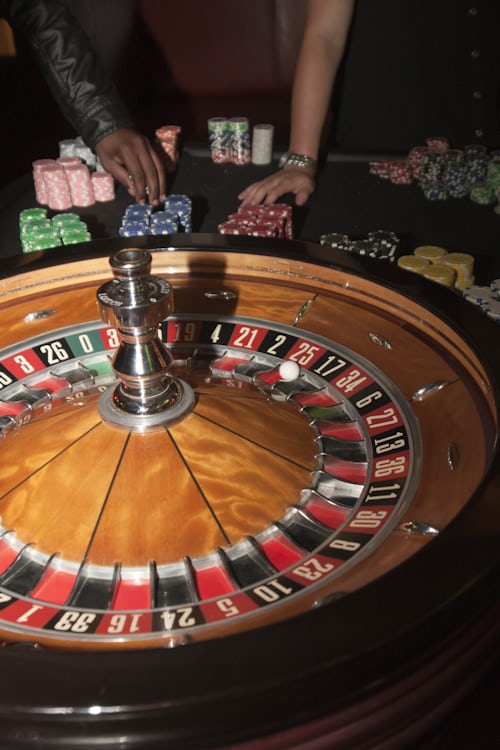
The gambling environment plays a pivotal role in shaping risk-taking behaviors. Various factors, such as location, atmosphere, and available gambling options, can significantly influence a player’s mindset. For instance, casinos are often designed to create a sense of euphoria, utilizing bright lights and sounds that evoke excitement and compel visitors to stay longer and gamble more. This carefully crafted environment can induce a feeling of invincibility, prompting players to increase their risk levels beyond their typical thresholds.
Additionally, the presence of technology in online gambling platforms, like Betscore Casino Canada, can intensify the gambling experience. With seamless access to a vast array of games and betting options at the click of a button, players may find themselves making impulsive decisions without the same constraints that a physical casino might impose. The accessibility and convenience of online gambling can lead to higher levels of risk-taking, as the immediate gratification of wins or losses can create a cycle of emotional highs and lows.
Moreover, the regulatory environment also impacts gambling behavior. Regions with strict regulations often see safer gambling practices, whereas lax regulations can lead to problematic gambling behaviors. Players may have more confidence to engage in risky behavior when they feel that the environment is supportive or lacks consequences. Education about responsible gambling practices and awareness of the environmental factors that promote risk can empower players to make better decisions and reduce harmful gambling habits.
Exploring Betscore Casino: A Responsible Gambling Environment
Betscore Casino offers a comprehensive platform that caters to the diverse needs of Canadian players while emphasizing responsible gambling. With over 10,850 games, including slots and live dealer options, the casino is designed to provide entertainment without compromising safety. Their commitment to a secure environment helps players make informed decisions and promotes a responsible approach to gambling behavior.
The platform also offers resources for players seeking to manage their gambling habits. From informative articles on the psychology of gambling to tools for setting limits and self-exclusion options, Betscore is dedicated to fostering a safe gaming environment. This focus on player well-being aligns with an understanding of the psychology of risk, ensuring that players can enjoy the thrill of gambling without jeopardizing their financial or emotional stability.
By creating a balanced gaming experience, Betscore ensures that players can indulge in their passion while remaining mindful of the risks involved. As more individuals become aware of the psychological elements that influence their gambling behavior, platforms like Betscore can play a vital role in promoting healthy habits and a safer gambling culture, providing both entertainment and protection to its users.