



























How Does Wind Direction Affect Swing Bowling?

Swing bowling is one of the most fascinating and skillful aspects of cricket. It allows bowlers to move the ball in the air, making it difficult for batsmen to judge line and length. While technique, seam position, and ball condition are crucial factors in swing bowling, one often overlooked element is wind direction.
Professional bowlers from countries like South Africa, Australia, UK (Europe), Sri Lanka, USA, and Nepal regularly use wind conditions to their advantage. Understanding how wind direction affects swing bowling can give bowlers a significant edge during matches and training sessions.
In this in-depth guide by SaleonSports, we will explore how wind direction influences swing bowling, the science behind it, and how bowlers can use it to improve their performance.
What is Swing Bowling?
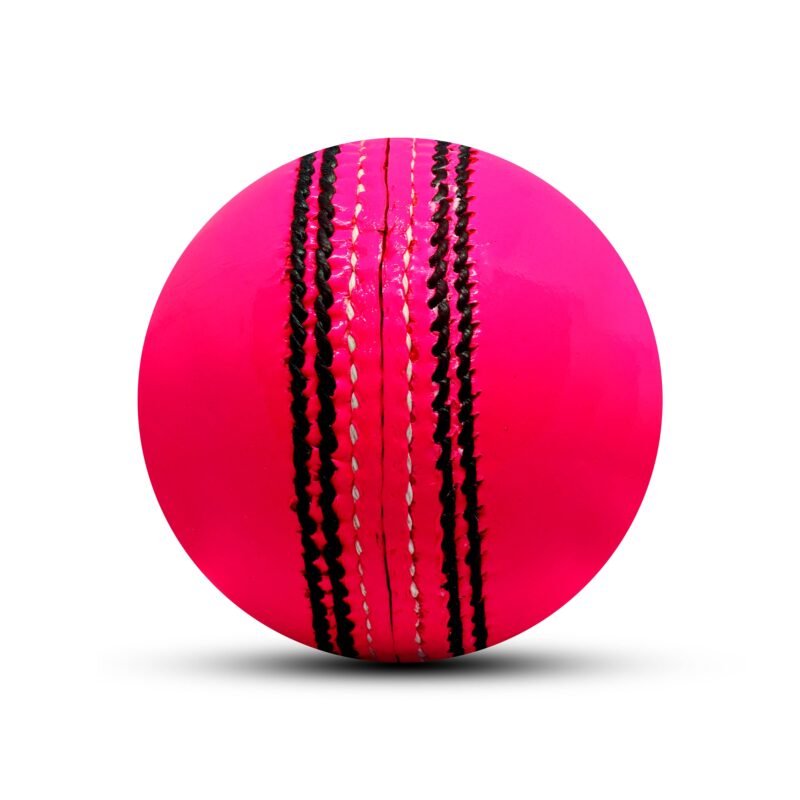
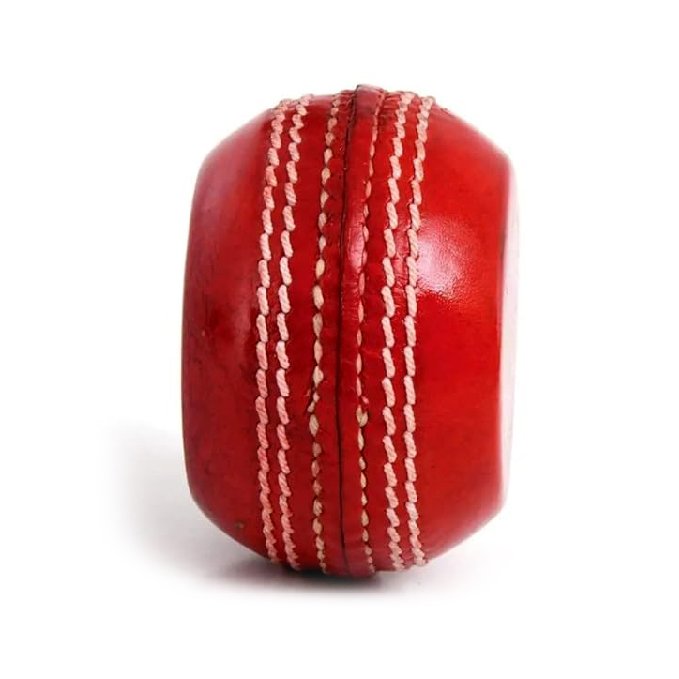
Swing bowling refers to the movement of a cricket ball in the air before it reaches the batsman. This movement is caused by differences in air pressure on either side of the ball.
There are two main types of swing:
- Inswing – The ball moves towards the batsman
- Outswing – The ball moves away from the batsman
Swing depends on several factors, including:
- Seam position
- Shine on the ball
- Bowling speed
- Atmospheric conditions
- Wind direction
Among these, wind direction can significantly influence how the ball behaves in the air.
The Science Behind Wind and Swing
To understand how wind affects swing bowling, it is important to know how air interacts with the cricket ball.
When a ball is bowled, air flows around it. One side of the ball is kept shiny, while the other becomes rough over time. This difference causes uneven airflow, resulting in swing.
Wind adds another layer to this process. It can either assist or disrupt the natural swing of the ball, depending on its direction and strength.
Bowlers in countries like UK (Europe) and South Africa, where windy conditions are common, often use wind strategically to generate extra movement.
Types of Wind Direction in Cricket
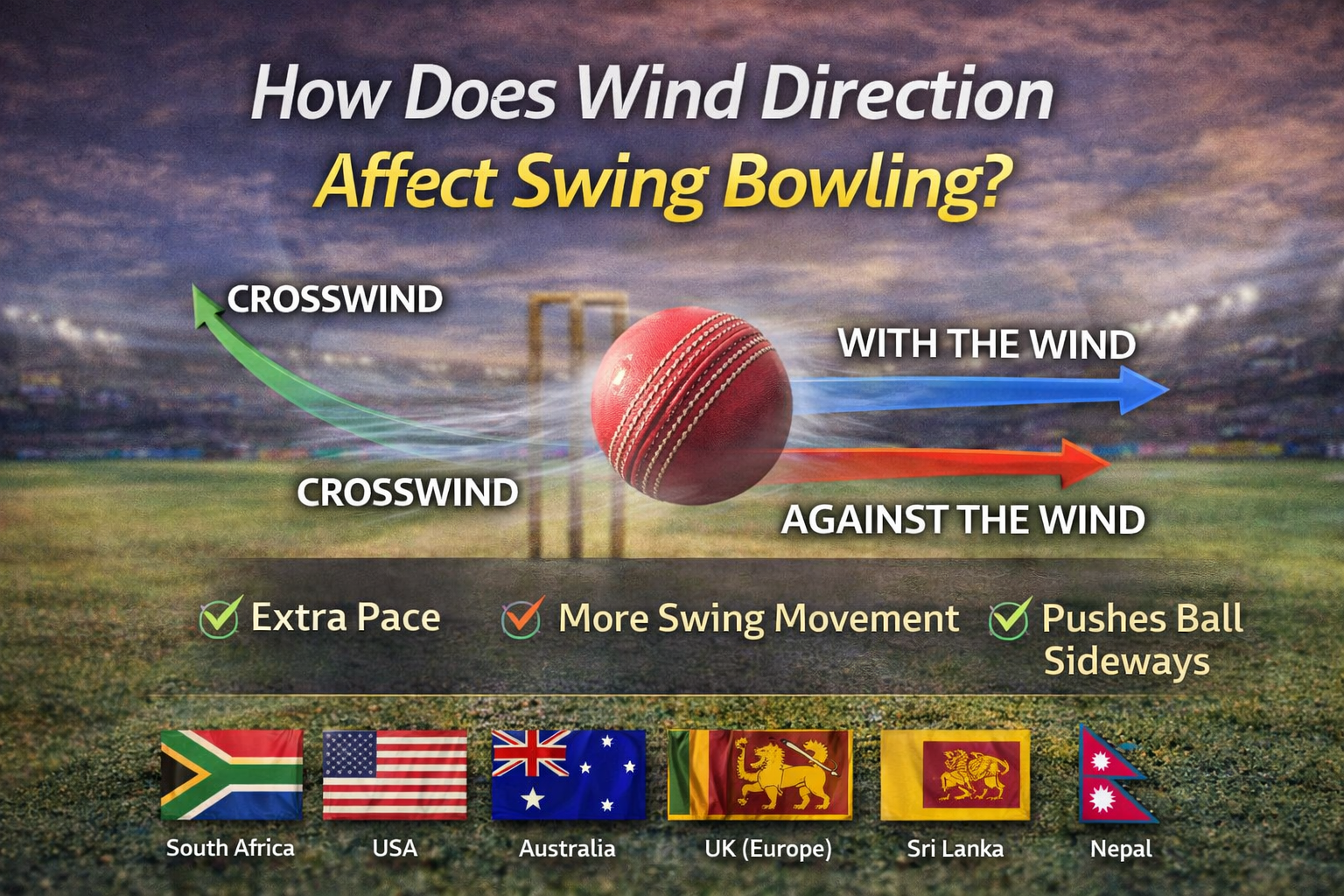
There are three main wind conditions that affect swing bowling:
1. Bowling With the Wind
When a bowler runs in and delivers the ball in the same direction as the wind, it is called bowling with the wind.
How It Affects Swing
- Increases the overall speed of the ball
- Can reduce the amount of swing if not controlled properly
- Helps fast bowlers generate extra pace
Fast bowlers in Australia and South Africa often use this condition to bowl quicker deliveries, especially on bouncy pitches.
However, too much wind assistance can make it harder to control swing movement.
2. Bowling Against the Wind
Bowling against the wind means the bowler delivers the ball into the wind.
How It Affects Swing
- Slows down the ball slightly
- Increases the time the ball stays in the air
- Enhances swing movement
This is considered one of the best conditions for swing bowling. Bowlers can generate more pronounced inswing or outswing when bowling against the wind.
In countries like UK (Europe) and Sri Lanka, bowlers often prefer bowling against the wind to maximize swing potential.
3. Crosswind (Side Wind)
Crosswind occurs when the wind blows sideways across the pitch.
How It Affects Swing
- Pushes the ball sideways in the air
- Can exaggerate natural swing
- Helps bowlers deceive batsmen
Crosswinds are particularly useful for skilled bowlers who can control seam position and wrist alignment.
Players in Nepal and USA, where ground conditions vary, can benefit from learning how to bowl effectively in crosswind situations.
How Wind Direction Enhances Different Types of Swing
Wind direction does not affect all types of swing in the same way. Its impact depends on the type of swing being attempted.
Conventional Swing
Conventional swing occurs when the ball is relatively new. Wind can enhance this swing by increasing the difference in air pressure around the ball.
Bowling against the wind is particularly effective for conventional swing.
Reverse Swing
Reverse swing happens with an older ball where one side is significantly rough.
Strong wind conditions can make reverse swing more unpredictable. Experienced bowlers in Pakistan-like conditions (similar to parts of Sri Lanka and Nepal) often use wind to their advantage during reverse swing phases.
Practical Tips for Using Wind in Swing Bowling
Understanding wind direction is not enough—bowlers must also know how to use it effectively during matches.
Observe the Environment
Before starting your spell, always check:
- Wind direction
- Wind speed
- Pitch conditions
Professional bowlers in Australia, South Africa, and the UK (Europe) often assess these factors before choosing their bowling strategy.
Adjust Your Line and Length
Wind can push the ball off its natural line. Bowlers should adjust their aim slightly to compensate for wind movement.
For example, in crosswind conditions, bowlers may aim slightly wider to let the wind bring the ball back towards the batsman.
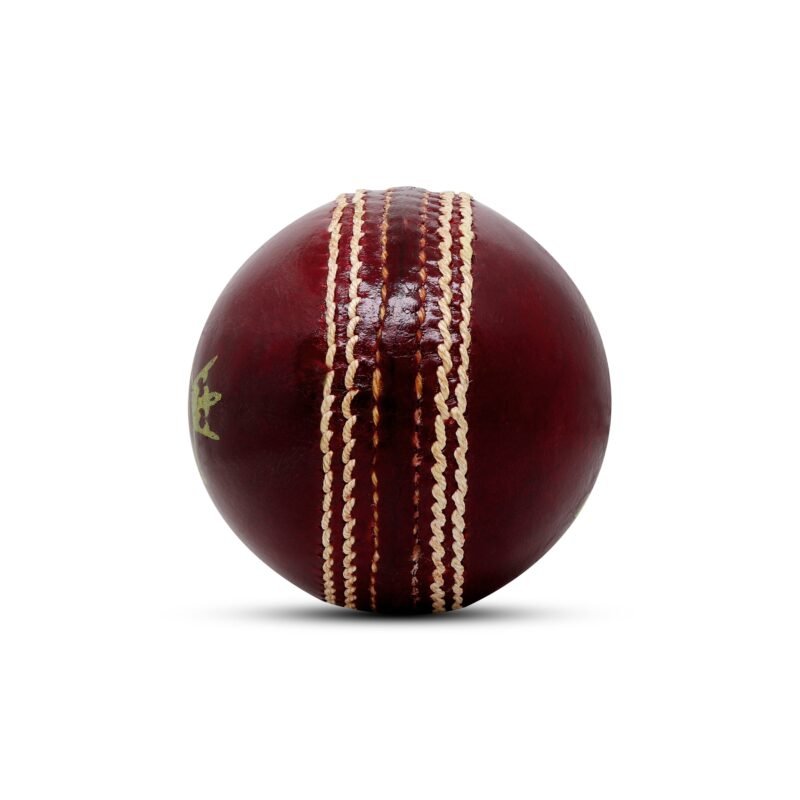
Maintain Seam Position
Even with strong wind assistance, proper seam position is essential. Without correct seam alignment, the wind will not have the desired effect on the ball.
Use Wind for Tactical Advantage
Smart bowlers use wind strategically. For example:
- Bowl outswingers with crosswind assistance
- Use headwind (against the wind) for maximum swing
- Bowl faster deliveries with tailwind (with the wind)
Players in USA and Nepal, where conditions vary widely, can gain a competitive edge by mastering these techniques.
Wind Conditions in Different Cricketing Countries
Wind plays a different role depending on geographical conditions.
South Africa
South Africa often experiences windy conditions, especially in coastal areas. Fast bowlers use wind to generate pace and bounce.
Australia
Australian pitches combined with windy conditions help bowlers produce both pace and swing.
UK (Europe)
The UK is known for its overcast and windy conditions, making it one of the best places for swing bowling.
Sri Lanka
Humidity combined with wind can create challenging conditions for batsmen.
USA and Nepal
Cricket is growing rapidly in these regions, and players are learning to adapt to varying wind conditions across different grounds.
Why Understanding Wind is Important for Bowlers
Ignoring wind direction can lead to missed opportunities in cricket.
Bowlers who understand wind can:
- Improve swing movement
- Increase wicket-taking chances
- Control line and length better
- Adapt to different match conditions
This knowledge is especially valuable in competitive cricket where small advantages can make a big difference.
Improve Your Game with the Right Equipment
While understanding wind is important, using the right cricket equipment is equally crucial for performance.
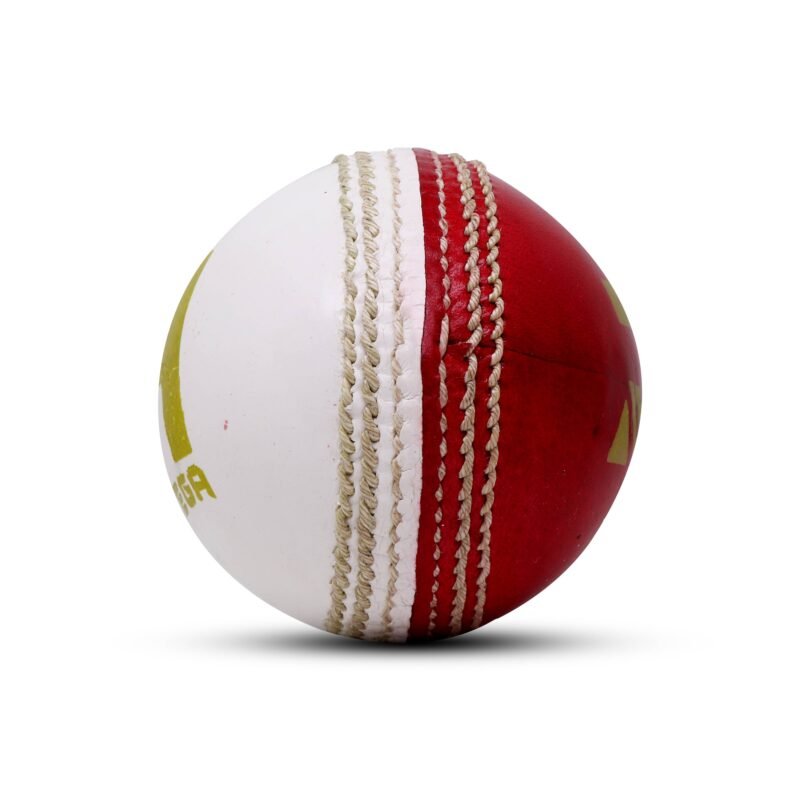
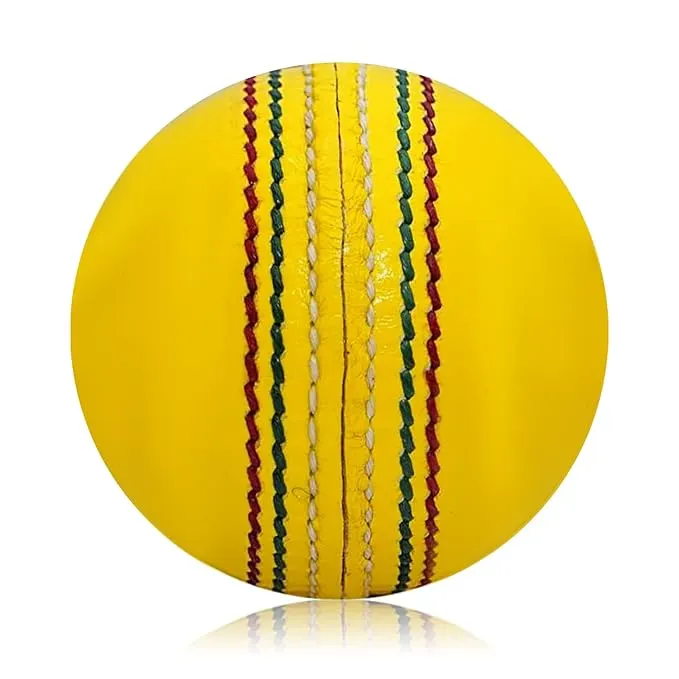
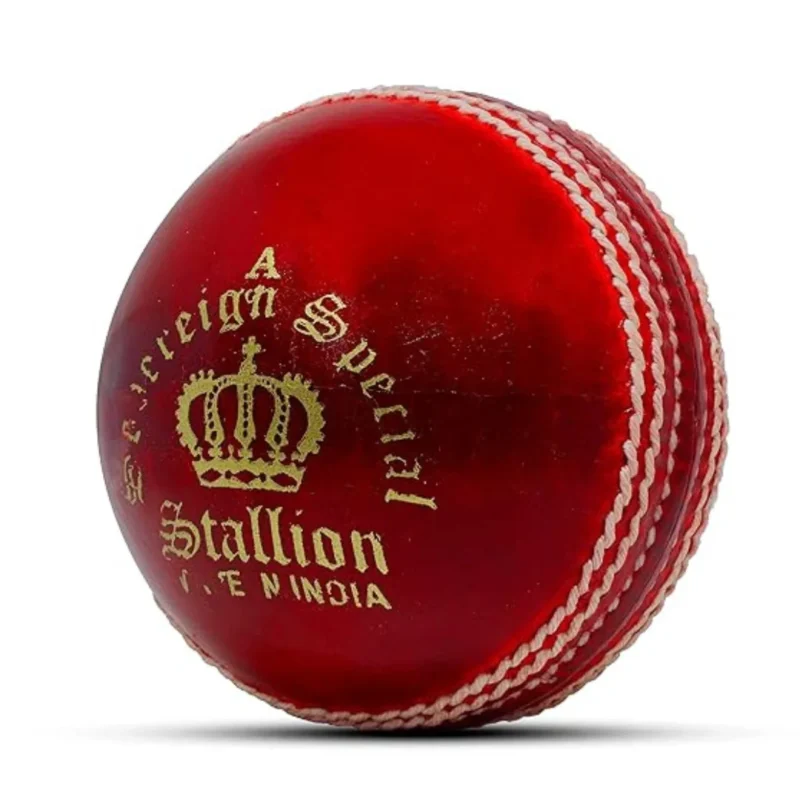
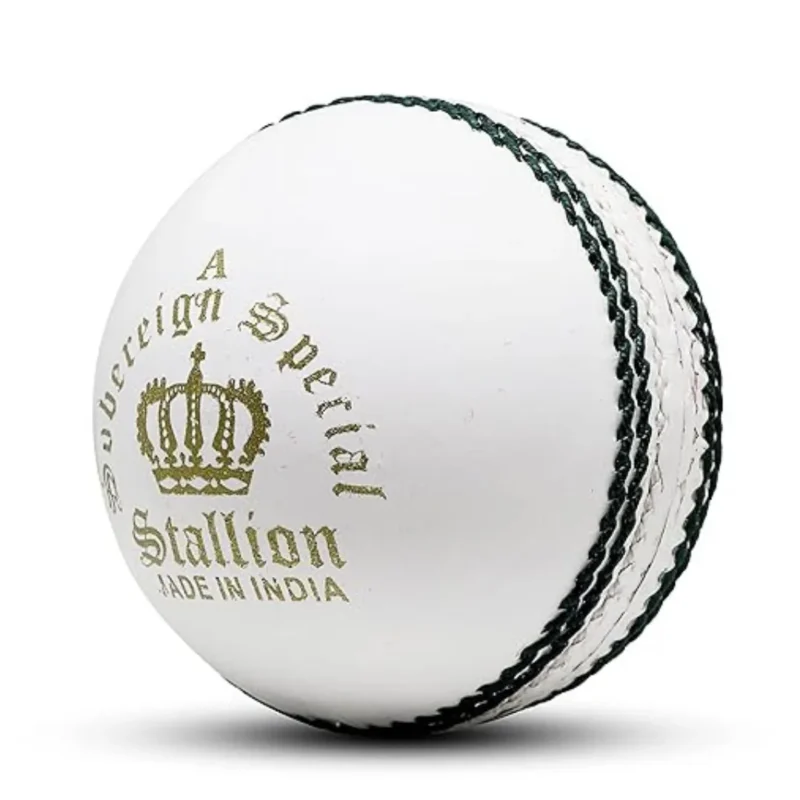
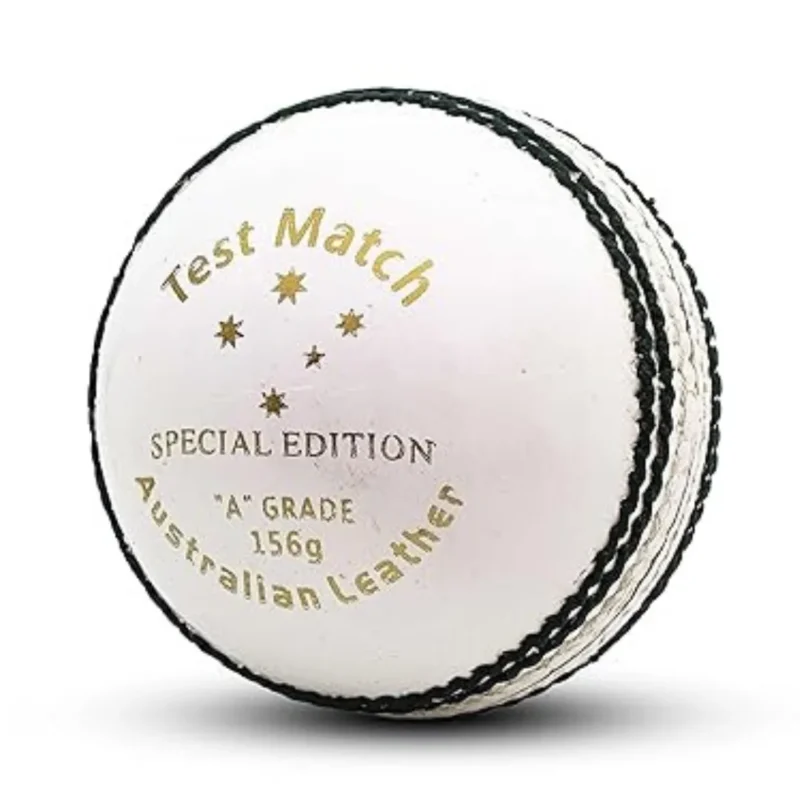
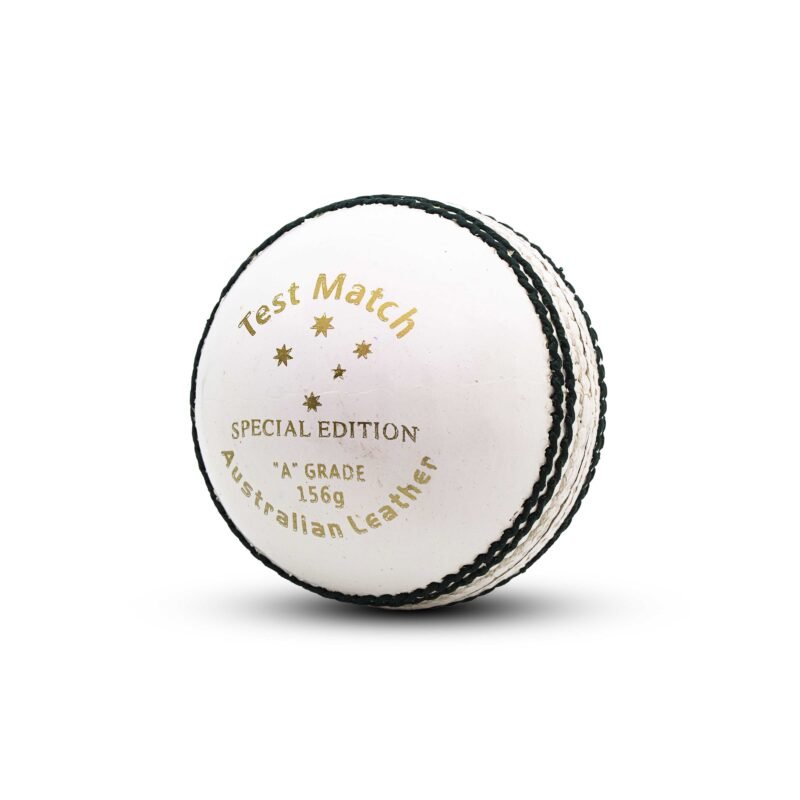
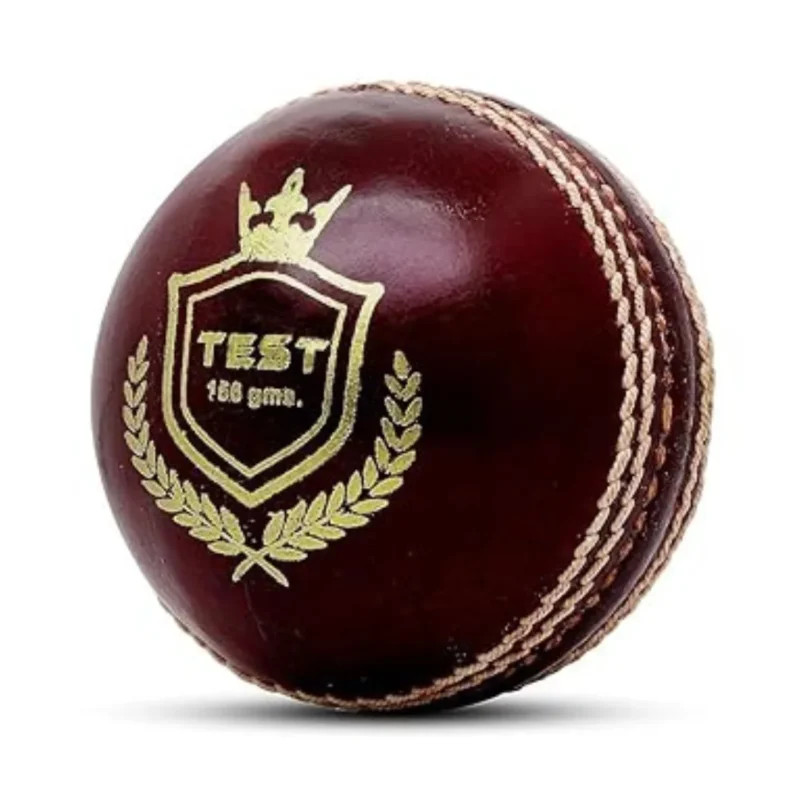
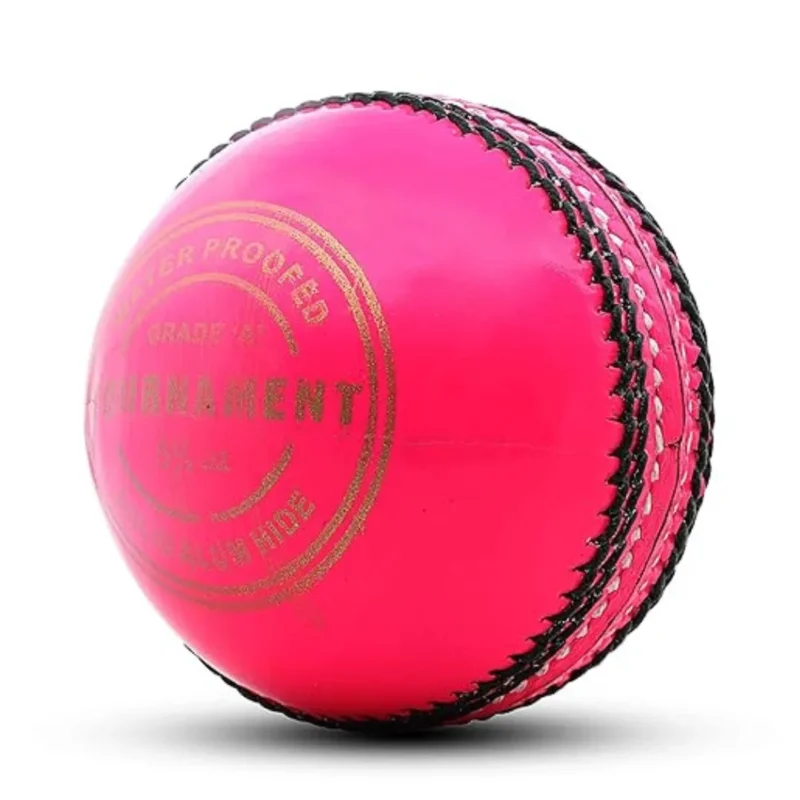
High-quality cricket balls and proper gear help bowlers maintain seam position and control swing effectively.
At SaleonSports, we provide premium cricket equipment designed to help players perform at their best in all conditions.
Final Thoughts
Wind direction is a powerful but often underestimated factor in swing bowling. Whether you are bowling with the wind, against it, or in crosswind conditions, understanding how air movement affects the ball can significantly improve your bowling performance.
Cricketers from South Africa, USA, Australia, UK (Europe), Sri Lanka, and Nepal can benefit from mastering wind-based bowling techniques to gain an edge over their opponents.
By combining proper technique, awareness of conditions, and quality equipment, you can become a more effective swing bowler and take your cricket game to the next level.
Shop Cricket Equipment Online
Upgrade your cricket gear with high-quality products designed for performance.
 Shop Now: https://saleonsports.com