

Bat Grain Count Explained: How It Affects Performance and Bat Lifespan

Introduction: The Lines That Everyone Talks About
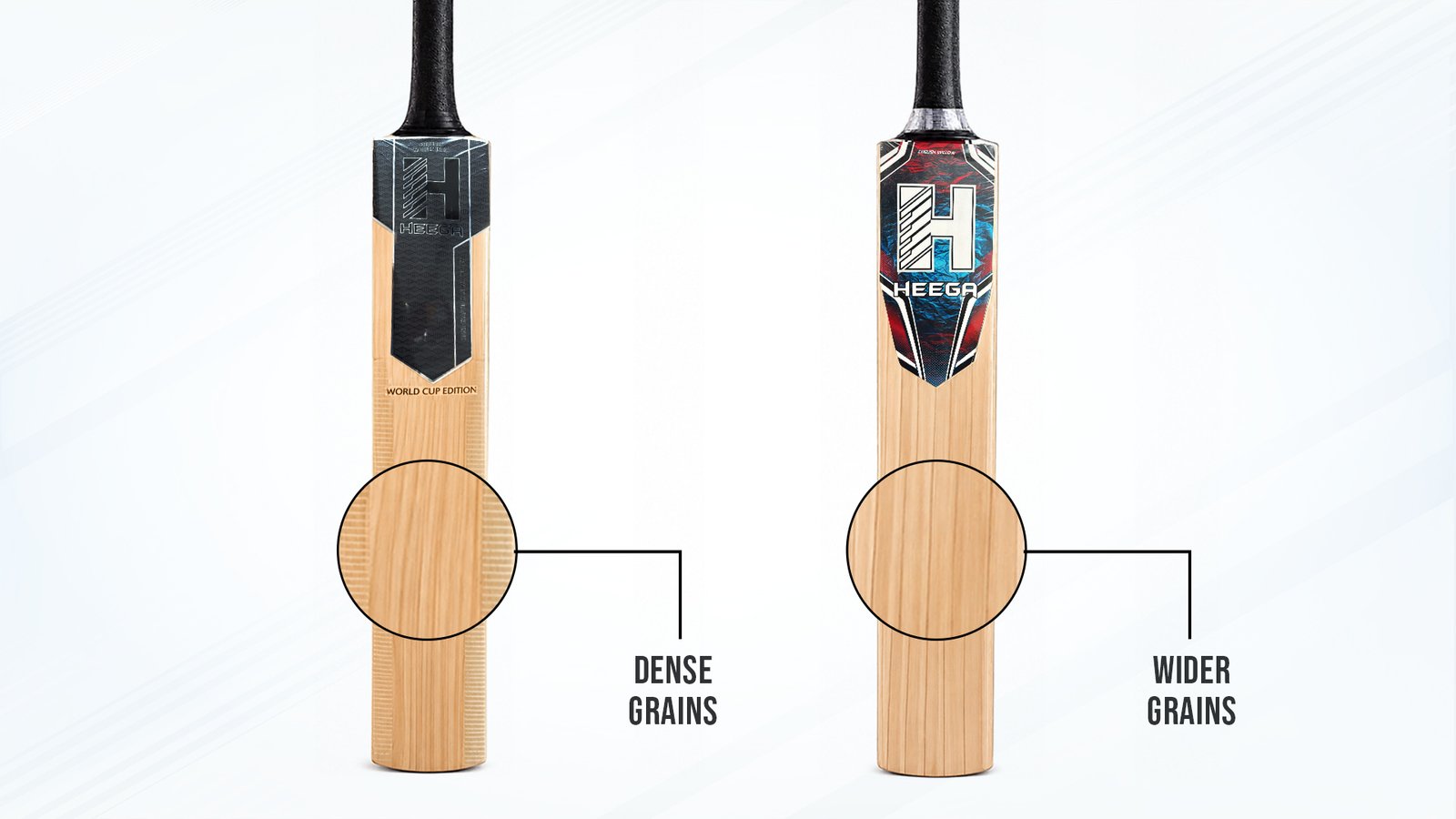
When players examine a new cricket bat, the first thing they notice is the set of straight vertical lines running down the face. Questions immediately follow: How many grains does it have? Is 12 better than 8? Should I only buy double-digit grains?
These lines — called grains — are often treated like a quality score. In reality, they are clues about how the bat will behave on the pitch, how it will feel when you strike the ball, and how long it will last under real playing conditions.
At SaleonSports, players are encouraged to understand grains properly before buying a bat, so their choice matches their playing style, practice intensity, and match needs.
What Are Cricket Bat Grains?
Grains are the natural growth rings of willow wood. Every year, the willow tree adds a new ring as it grows. When the wood is cut and shaped into a bat, these annual rings appear as straight lines on the blade.
These grains reveal important information about:
- The age and maturity of the willow
- The density of the wood fibers
- The hardness or softness of the blade
- How the bat will perform
- How durable the bat will be
Grains are not decoration. They are a performance indicator.
Why Grain Count Matters More Than You Think
Grain count affects three critical aspects of your bat:
- How quickly the bat reaches peak performance
- How the bat feels when the ball hits the blade
- How long the bat survives under regular use
Understanding this helps you avoid the common mistake of choosing a bat only because it “looks good.”
Low Grain Count Bats (6–8 Grains): Strong and Long-Lasting
Bats with fewer grains come from younger willow.
How They Behave
- Harder blade surface
- Requires more knocking before use
- Takes time to reach full performance
- Extremely durable under heavy usage
Who Should Use Them
- Beginners learning cricket
- School and college players
- Net practice and training sessions
- Players using tennis and leather balls
- Street and rough ground cricket
These bats improve with time. The more you play, the better they perform.
Medium Grain Count Bats (8–10 Grains): The Ideal Balance
This range is often considered the best choice for most cricketers.
How They Behave
- Balanced hardness and responsiveness
- Good performance after proper knocking
- Reliable durability
- Comfortable feel during stroke play
Who Should Use Them
- Club cricketers
- Regular players
- Practice + match usage
- All-round playing styles
This is the most popular grain range at SaleonSports because it offers both performance and lifespan.
High Grain Count Bats (10–14+ Grains): Immediate Performance
These bats come from older willow trees.
How They Behave
- Softer blade feel
- Excellent rebound and ping
- Requires gentle knocking
- Less durable under rough usage
Who Should Use Them
- Match-focused players
- Advanced cricketers
- Players who value feel and timing
- Those playing mostly leather ball matches
These bats perform beautifully but require careful handling.
The Biggest Myth: “More Grains Means Better Bat”
This is not true.
Reality:
- More grains = quicker performance, less lifespan if used roughly
- Fewer grains = longer lifespan, takes time to open up
Your choice should depend on how often and where you play, not just the grain number.
Grain Straightness Is Equally Important
Not only the number, but the alignment of grains matters.
Straight, even grains indicate:
- Uniform fiber structure
- Better consistency in performance
- Proper willow selection
Wavy or uneven grains may affect how the bat responds across the blade.
SaleonSports carefully checks grain alignment before offering bats to players.
How Grain Count Affects the Knocking Process
Knocking prepares the bat for play by compressing fibers.
- Low grain bats need longer, harder knocking
- High grain bats need gentle, careful knocking
Improper knocking can reduce bat lifespan regardless of grains.
Grain Count and Shot Power
Dense wood (low grains) stores energy and releases it strongly once ready.
Softer wood (high grains) gives instant rebound and better feel.
Both can produce powerful shots — the difference is timing vs durability.
Why Beginners Should Avoid Chasing High Grains
High grain bats dent faster with mishits. Beginners often mistime shots, which can damage softer blades. A low or medium grain bat is more forgiving and long-lasting for learners.
How to Choose the Right Grain Bat for Your Game
Ask yourself:
- Do I practice daily? → Choose low grains
- Do I play matches and practice equally? → Choose medium grains
- Do I mainly play matches with leather ball? → Choose high grains
This simple approach helps you pick the right bat.
Grain Count and Bat Lifespan in Indian Conditions
Indian grounds are often dry, hard, and dusty. These conditions suit denser, low-to-medium grain bats because they handle rough impact better.
SaleonSports Bat Selection Standards
Before a bat reaches you, SaleonSports ensures:
- Proper grain structure
- Straight grain alignment
- Balanced weight distribution
- Strong handle bonding
- Correct blade pressing
This ensures grains translate into real performance, not just appearance.
Proper Care Based on Grain Type
To maximize lifespan:
- Oil lightly before knocking
- Knock properly according to grain type
- Use toe guard and bat cover
- Avoid moisture exposure
- Do not over-oil the blade
Final Understanding: Grains Are a Guide, Not a Score
Grains help you understand how the bat will behave. They do not alone define quality. Balance, pressing, handle, and shape are equally important.
When you understand grains correctly, you buy a bat that matches your game, not a myth.
Conclusion
Bat grains are the story of the willow’s growth and a preview of how your bat will perform. Choosing the right grain count helps you get better performance, longer lifespan, and more value from your bat.
At SaleonSports, players are guided to choose bats based on practical understanding, ensuring they walk away with a bat that truly supports their cricket journey.